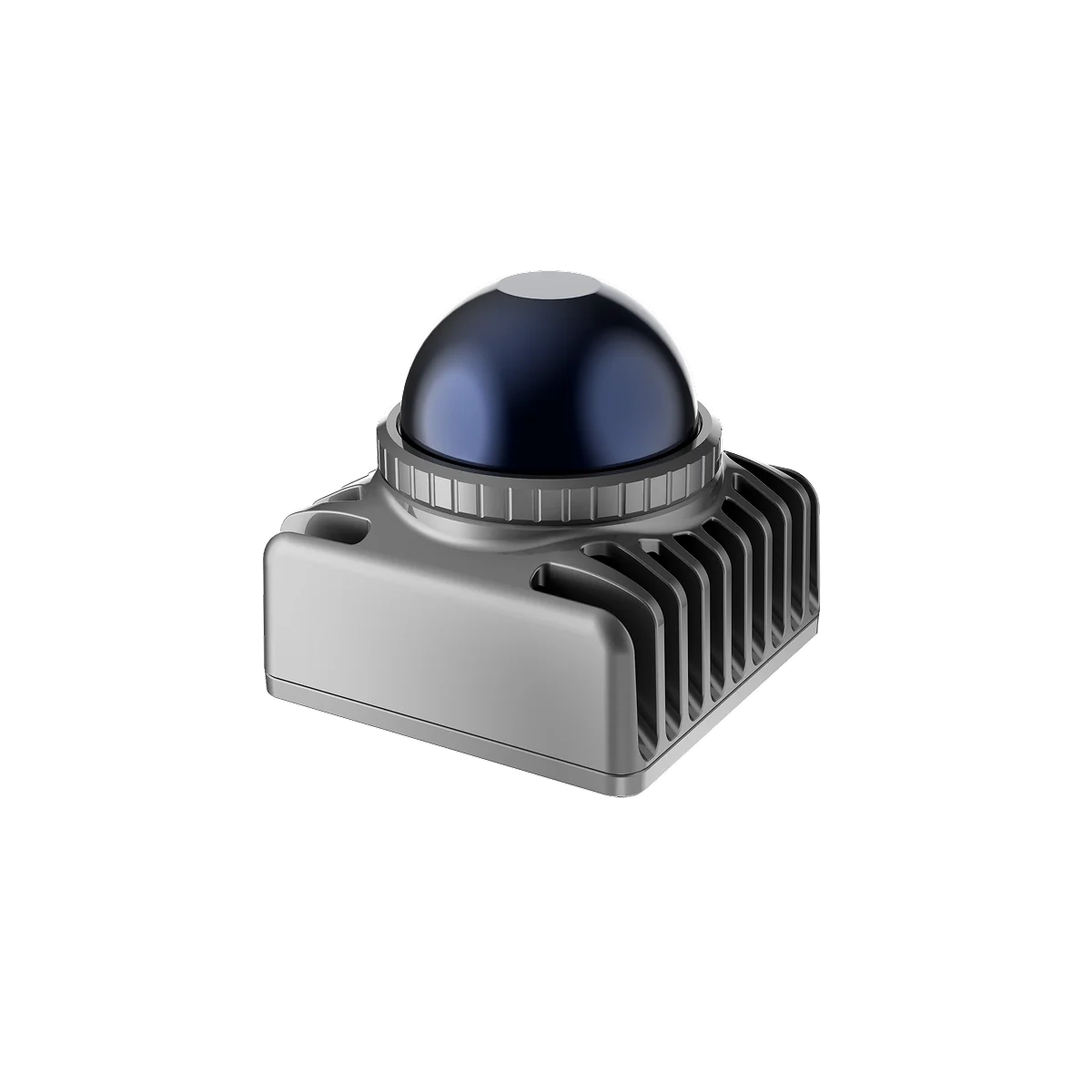
360° Ultra-Wide FOV · Boundaryless Perception
Featuring a 360° × 59° ultra-wide FOV, it provides rich 3D point clouds for Cyvet’s navigation, path planning, and obstacle avoidance.
FOV 360°×59°
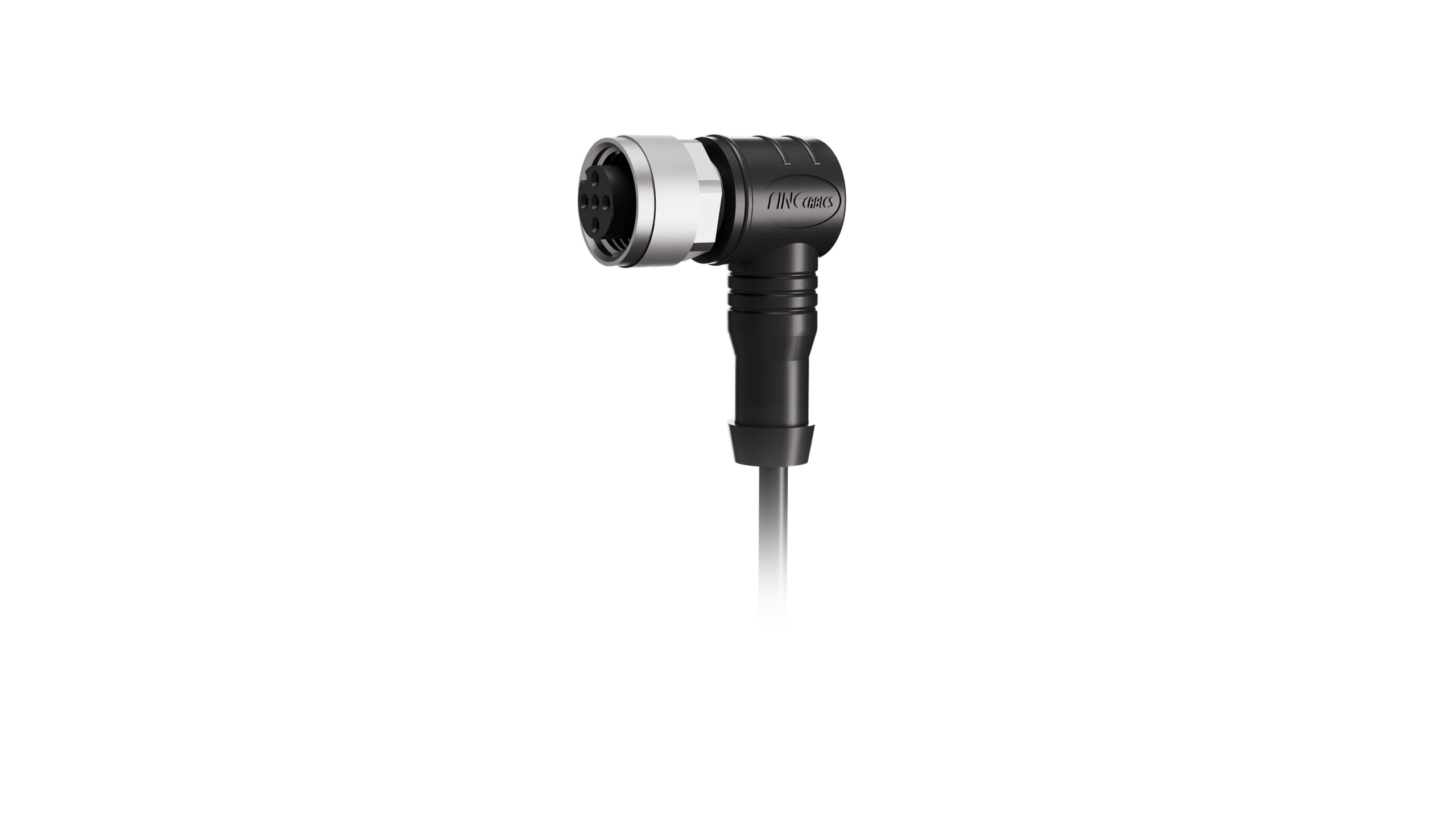
Includes a dedicated Cyvet high-speed cable for faster and more stable data transmission.
Compact & Powerful · Boundaryless Perception
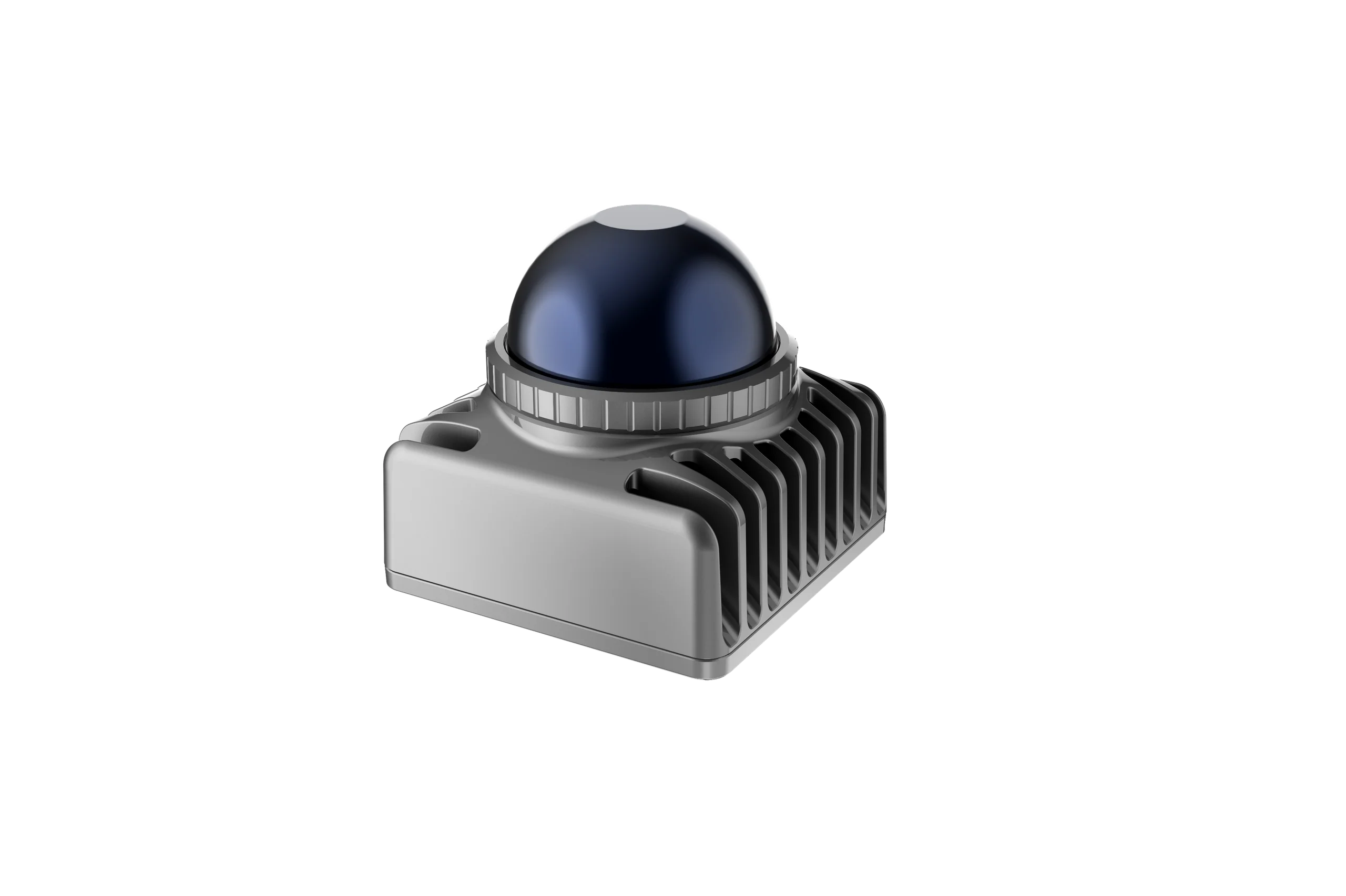
Featuring a 360° × 59° ultra-wide FOV, it provides rich 3D point clouds for Cyvet’s navigation, path planning, and obstacle avoidance.
FOV 360°×59°With dimensions of 65 × 65 × 63 mm and a weight of just 245 g, its versatile embedded design minimizes spatial layout restrictions on robotic platforms.

Engineered with anti-interference technology, it adapts seamlessly to various indoor and outdoor operational environments, enhancing operational stability in complex scenarios.

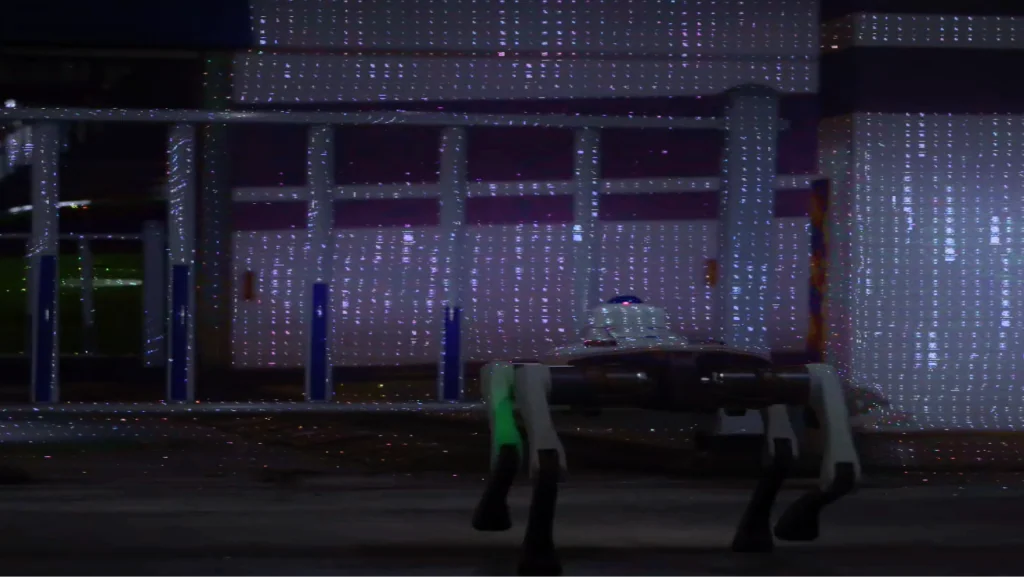
With a maximum detection range of up to 100 meters (maximum range limit), the 3D LiDAR delivers consistently outstanding performance in both dim indoor settings and bright outdoor sunlight—capturing ample point cloud data to assist Cyvet in navigation and obstacle avoidance.
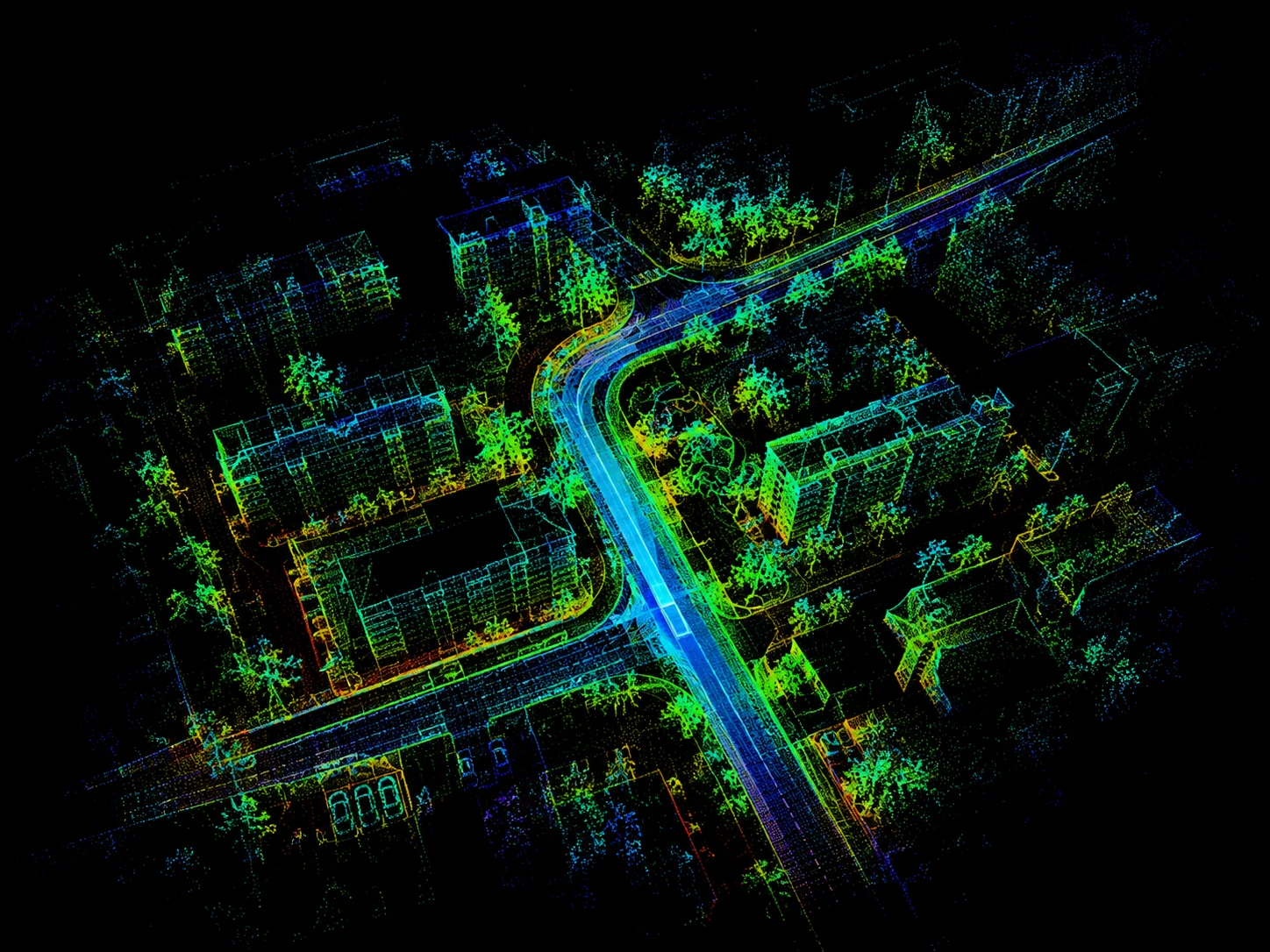
By efficiently capturing rich environmental features, 3D LiDAR enables Cyvet to map and localize autonomously without site modifications, dramatically streamlining deployment and ensuring safe, reliable operation in complex environments.
Parameter
| Overview | Next-Gen 3D LiDAR integrates 360° omnidirectional perception, a compact lightweight design, and reliable navigation and obstacle avoidance capabilities. Compatible with diverse indoor and outdoor environments, it enables stable, high-efficiency navigation and spatial sensing. |
| Laser Wavelength | 905 nm |
| Measurement Range (@ 100 klx) | 40 m @ 10% reflectivity (Typical) 100 m (Cutoff range) |
| FOV | Horizontal: 360°, Vertical: -7° to 52° (Typical) |
| Point Rate | 200,000 pts/s (Configurable First Return) |
| Near-Field Blind Zone | 0.1 m |
| Ranging Random Error ³ (1σ) | ≤2 cm ⁴ (@ 10 m), ≤4 cm ⁵ (@ 0.2 m) |
| Angular Random Error (1σ) | <0.15° |
| Frame Rate | 10 Hz (Typical) |
| Ethernet Interface | 100 BASE-TX Ethernet |
| Data Synchronization | IEEE 1588-2008 (PTPv2), GPS |
| Anti-Crosstalk | Supported |
| False Alarm Rate (@ 100 klx) | <0.01% |
| Power Consumption | 6.5 W |
| Supply Voltage Range | 9 ~ 27 V DC |
| Operating Temperature | -20°C~ 55°C |
| Ingress Protection Rating | IP67 |
| Built-in IMU Model | ICM40609 |
| Eye Safety Class | Class 1 (IEC 60825-1:2014), Eye-Safe |
| Weight | 265 g |
| Dimensions (L × W × H) (mm) | 65mm*65mm*60mm |
Special Notes:
Shipment will be arranged as soon as possible after payment completion.